What Crystal Is Good for Anxiety? Popular Crystals
If you've been searching for what crystal is good for anxiety, you've probably come across names like amethyst, rose quartz and black tourmaline again and again. These stones have a long history in crystal healing traditions, where they're associated with calm, grounding and emotional comfort. It's worth being upfront from the start: there isn't strong scientific evidence that crystals treat or cure anxiety. What crystals can offer is a tactile, personal focal point for a mindfulness or relaxation practice — something to hold onto, literally, while you take a breath and slow down. Think of crystals for anxiety less as medicine and more as a wellness ritual, similar to lighting a candle or journaling before bed.
In this guide, we'll walk through the crystals most commonly associated with calmness, how people incorporate them into daily routines, and how to choose one that feels right for you.
What Crystal Is Good for Anxiety?
Crystal practitioners and enthusiasts point to several stones when discussing calming crystals and grounding crystals. None of these are a substitute for professional care, but each carries its own traditional meaning and aesthetic appeal that many people find genuinely soothing to use.
Amethyst
Amethyst is probably the most frequently mentioned answer to "what crystal is good for anxiety." Its soft purple tone is often linked to tranquility, and in crystal traditions it's considered a stone of calm and clarity. Amethyst for anxiety is a popular choice among people who use crystals during meditation, since it's believed to encourage a settled, reflective state of mind. Many people simply like keeping a piece of amethyst nearby as a visual and tactile cue to pause.
Rose Quartz
Rose quartz is traditionally connected to self-care, compassion and emotional comfort rather than calm in the "grounding" sense. It's often described as a gentle, nurturing stone — one people turn to when they want to feel a little more at ease with themselves. Because of this association, rose quartz shows up frequently in self-soothing rituals, from holding the stone during a quiet moment to keeping it on a nightstand as a small daily reminder to be kind to yourself.
Lepidolite
Lepidolite is a lilac-grey mineral that contains natural lithium, which is part of why it has become closely associated with relaxation and emotional balance in crystal practices (note: this refers to the mineral's traditional reputation, not a scientific or medical claim). People who gravitate toward lepidolite often describe wanting a stone that feels "soft" or "settling" to hold, making it a common pick for quiet, reflective practices.
Black Tourmaline
Where amethyst and rose quartz lean toward softness, black tourmaline is associated with grounding and protection. In crystal traditions, grounding stones are thought to help someone feel more anchored and present, which is often the goal when anxious thoughts start to spiral. Its deep, matte black appearance also makes it a popular choice for people who want a stone that feels sturdy and stabilizing.
Clear Quartz
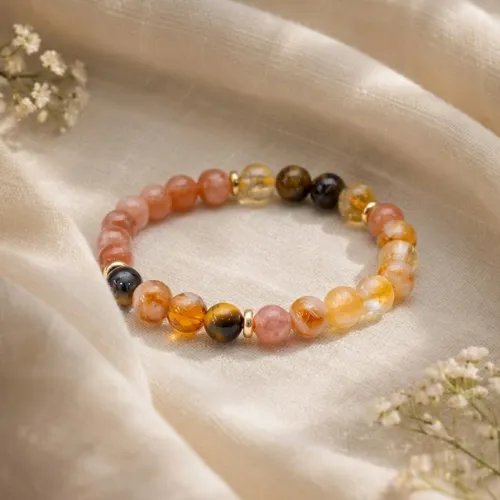
Clear quartz is sometimes called a "master healer" in crystal circles, largely because of its versatility. It doesn't have one narrow association the way rose quartz or black tourmaline do — instead, it's used broadly in meditation and general crystal practices,
often paired with other stones to complement their intended purpose. For anyone just starting to explore crystals for calmness, clear quartz is a simple, flexible entry point.
How Do People Use Crystals for Anxiety?
There's no single "correct" way to use crystals — most approaches are personal and low-pressure. Common practices include:
- Meditation — holding a crystal in your hand or placing it nearby while you sit quietly
- Mindfulness — using the stone's weight or texture as an anchor for the present moment
- Carrying a crystal — keeping a small stone in a pocket or bag for an easy touchpoint during the day
- Wearing a crystal bracelet — a subtle, wearable way to keep a calming stone close throughout the day
- Creating a calming personal routine — pairing a crystal with a nightly wind-down habit, like dimming the lights or stretching
- Using crystals as a reminder to pause and breathe — simply noticing the stone can be enough to interrupt a spiral of anxious thoughts
None of these practices claim to eliminate anxiety. They work more as small, repeatable rituals that create a moment of intentional stillness.
How to Choose a Crystal for Anxiety
There's no rulebook for picking the "right" crystal. Personal preference matters more than any formula. Some people are drawn to a stone's color — cooler, softer tones like lavender and pale pink often feel calming — while others choose based on the traditional meaning that resonates with them, whether that's amethyst's association with clarity or black tourmaline's reputation for grounding. It's also worth considering how you plan to use it: a smooth palm stone works well for meditation, while a bracelet or pendant suits people who want a calming crystal with them throughout the day. Ultimately, the "best" crystal is the one you're actually drawn to and likely to use.
Crystal Bracelet for Calm and Mindfulness
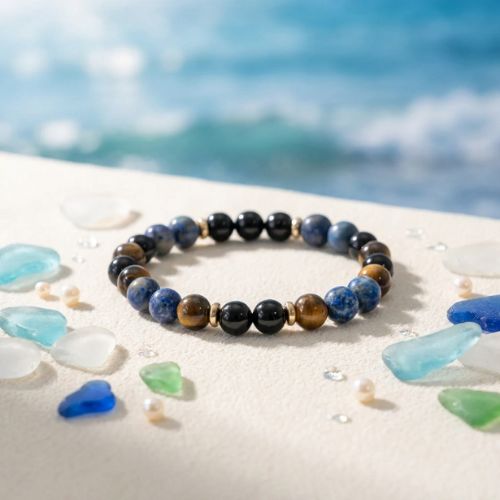
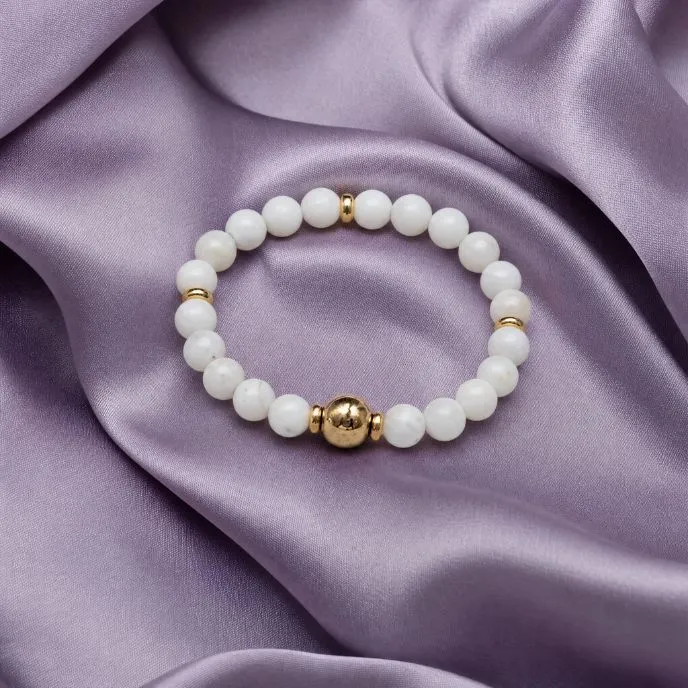
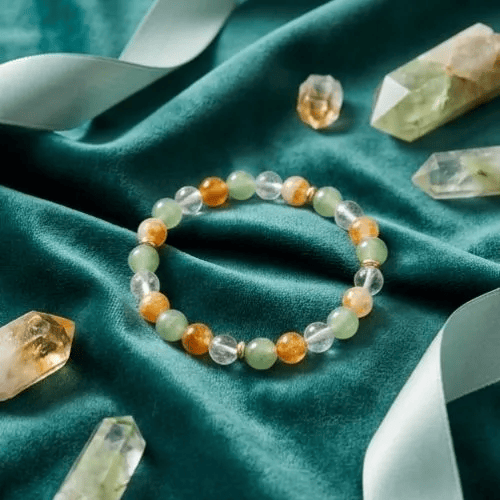
A crystal bracelet for anxiety is one of the most practical ways to bring this practice into everyday life. Unlike a stone that sits on a shelf, a bracelet stays with you — at your desk, on a commute, during a stressful meeting. Many people find that simply glancing at or touching the beads becomes a small, automatic cue to slow their breathing or reset their focus for a moment. It's a low-effort way to build a mindfulness habit into a day that doesn't leave much room for formal meditation.
Can Crystals Treat Anxiety?
To be clear: crystals should not be treated as a treatment or cure for anxiety. Their role in wellness is rooted in tradition, personal ritual and symbolism, not clinical evidence. If you're experiencing anxiety that feels significant, persistent or disruptive to daily life, the most important step is speaking with a qualified healthcare professional, such as a doctor or licensed therapist. Crystals can be a nice complement to a broader self-care routine, but they aren't a replacement for professional support when it's needed.
How to Use Crystals as Part of a Relaxation Routine
If you'd like to fold crystals into a daily relaxation practice, a few simple approaches can help:
- Hold a crystal during meditation, letting its weight and texture keep you grounded in the present
- Take slow, intentional breaths while focusing your attention on the stone
- Keep a crystal beside your meditation or quiet space as a visual anchor
- Wear a bracelet as an ongoing mindfulness reminder throughout the day
- Combine the practice with other healthy relaxation habits, like stretching, journaling or a consistent wind-down routine before bed
Small, consistent rituals tend to be more sustainable than elaborate ones — even a minute of focused breathing with a crystal in hand can be a useful pause button.
FAQs
Amethyst, rose quartz, lepidolite, black tourmaline and clear quartz are among the most commonly mentioned crystals for anxiety and calm, though their effects are based on tradition rather than scientific proof.
Amethyst is one of the most frequently cited calming crystals, often used during meditation and quiet reflection.
Amethyst is traditionally associated with calm and clarity, making it a popular choice for people building a relaxation or meditation practice, though it isn't a medical treatment.
Rose quartz is linked to self-care and emotional comfort rather than anxiety relief specifically, and many people use it as part of a gentle self-soothing ritual.
Black tourmaline is one of the best-known grounding crystals, traditionally associated with feeling anchored and protected.
Common methods include holding a crystal during meditation, carrying one throughout the day, or wearing a crystal bracelet as a mindfulness reminder.
No. Crystals are not a scientifically proven treatment or cure for anxiety. Anyone dealing with persistent anxiety should consult a qualified healthcare professional.
Yes — a crystal bracelet is a simple, wearable way to keep a calming stone close and use it as a recurring reminder to pause, breathe and reset during the day.
Explore Crystal Bracelets at Auralith
If this guide has you curious about incorporating crystals into your own routine, explore Auralith's collection of crystal bracelets to find a piece that matches the calm, grounded feeling you're looking for. Whether you're drawn to the soft tone of rose quartz, the traditional calm of amethyst, or the grounding presence of black tourmaline, a bracelet is an easy, everyday way to carry that intention with you.