Crystal Meanings Chart: Popular Crystals and Their Traditional Meanings
If you've ever browsed a crystal shop or scrolled through a wellness feed, you've probably come across the term "crystal meanings" more than once. A crystal meanings chart is simply a reference guide that lays out the traditional symbolism, colors, and common uses associated with different crystals, so you can quickly understand what each stone is believed to represent.
These meanings come from a mix of ancient cultural traditions, spiritual practices, and modern wellness communities that have grown around crystals over centuries. It's worth noting upfront that crystal meanings are rooted in belief systems and personal practice rather than scientific evidence — this guide presents them as the traditional associations they are, not as medically proven effects. With that in mind, let's look at a full crystal meaning chart and explore what some of the most popular crystals are said to represent.
Crystal Meanings Chart
Here's a quick-reference crystal meanings chart covering ten of the most widely used crystals, their common meanings, traditional associations, and typical uses.
| Crystal | Common Meaning | Traditional Association | Common Use |
| Amethyst | Calm & clarity | Peace and meditation | Meditation |
| Rose Quartz | Love & compassion | Self-love and relationships | Self-care |
| Clear Quartz | Clarity & intention | Focus and amplification | Meditation |
| Black Tourmaline | Grounding & protection | Stability and protection | Grounding |
| Citrine | Positivity & abundance | Joy and prosperity | Personal rituals |
| Carnelian | Motivation & confidence | Energy and creativity | Inspiration |
| Lapis Lazuli | Wisdom & communication | Truth and self-expression | Meditation |
| Green Aventurine | Growth & opportunity | Luck and optimism | Personal wellness |
| Moonstone | Intuition & new beginnings | Emotional reflection | Meditation |
| Tiger's Eye | Confidence & courage | Strength and grounding | Personal rituals |
This crystal meaning chart is a handy starting point, but each stone has a much richer story behind it. Below, we'll walk through the meanings of crystals on this list in more detail.
Crystal Meanings Explained
Amethyst Meaning
Amethyst is one of the most recognizable crystals, known for its deep purple hue. Traditionally, it's been associated with calmness, clarity, and meditation, and many people keep amethyst nearby during quiet reflection or mindfulness practice. Its cool violet tone is often linked symbolically to a sense of peace and mental stillness, which is why it's a popular choice for anyone building a meditation corner or simply wanting a calming object nearby.
Rose Quartz Meaning
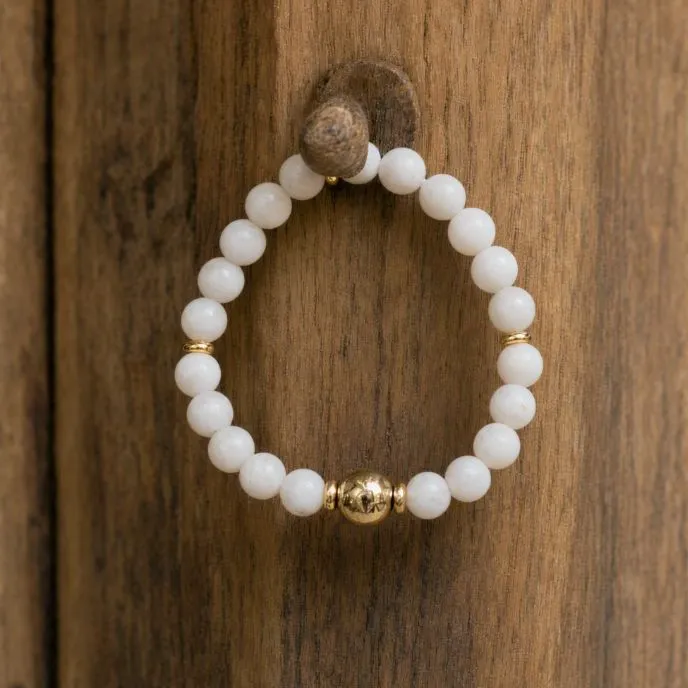
Rose quartz carries one of the most well-known meanings among healing crystal meanings: love and compassion. Its soft pink color is traditionally tied to matters of the heart — self-love, relationships, and emotional warmth. Many people choose rose quartz jewelry, like a crystal bracelet, as a gentle daily reminder to practice self-care and approach themselves and others with kindness.
Clear Quartz Meaning
Clear quartz is often called the "master crystal" in traditional crystal lore because it's believed to amplify intention and bring clarity to the mind. Its transparent, glass-like appearance is symbolically linked to focus and mental clarity, making it a popular companion for meditation or goal-setting rituals. Many people also see it as a versatile stone that pairs well with other crystals in a collection.
Black Tourmaline Meaning
Black tourmaline is traditionally associated with grounding and protection. Its deep black color is symbolically tied to stability, and it's commonly used by people who want to feel more anchored during stressful periods. In personal wellness routines, black tourmaline is often kept at home or worn as jewelry as a grounding touchstone.
Citrine Meaning
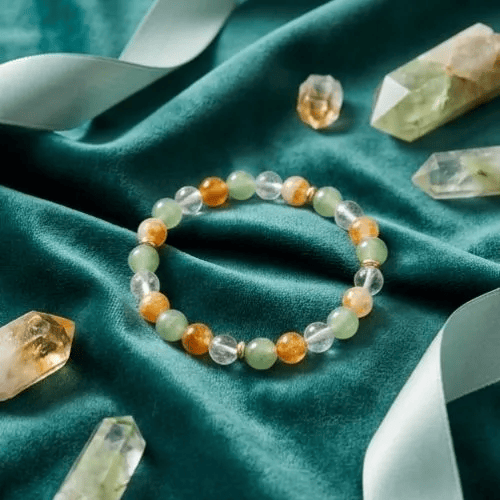
Citrine's warm yellow-gold color has earned it a reputation as a stone of positivity, confidence, and abundance. Traditionally linked to joy and prosperity, citrine is a popular pick for anyone looking to bring a more optimistic, motivated energy into their personal rituals. It's often associated with fresh starts and forward momentum.
Citrine Meaning
Citrine's warm yellow-gold color has earned it a reputation as a stone of positivity, confidence, and abundance. Traditionally linked to joy and prosperity, citrine is a popular pick for anyone looking to bring a more optimistic, motivated energy into their personal rituals. It's often associated with fresh starts and forward momentum.
Carnelian Meaning
Carnelian, with its rich orange-red tones, is traditionally connected to motivation, creativity, and confidence. It's associated with energy and drive, and many people turn to carnelian when they want a symbolic boost of inspiration before tackling a creative project or a new goal.
Lapis Lazuli Meaning
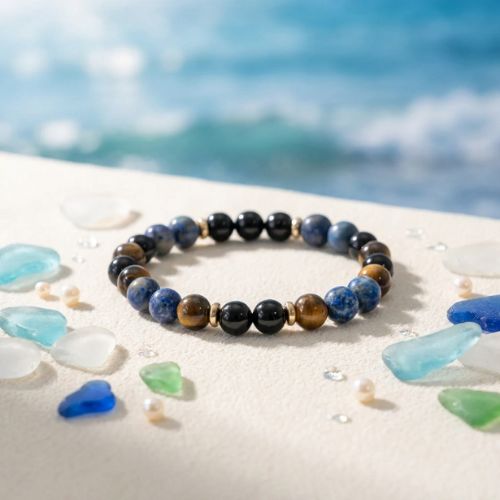
Lapis lazuli, a deep blue stone often flecked with gold, has a long history in ancient cultures where it was linked to wisdom, truth, and self-expression. Traditionally associated with clear communication, lapis lazuli is often chosen by people who want to feel more confident sharing their thoughts or ideas.
Green Aventurine Meaning
Green aventurine is traditionally known as a stone of growth, opportunity, and optimism. Its green color is symbolically tied to luck and renewal, making it a popular choice for anyone starting a new chapter or hoping to invite more positivity into daily life.
Moonstone Meaning
Moonstone's soft, shimmering glow has made it a traditional symbol of intuition, emotional reflection, and new beginnings. It's often associated with the phases of the moon and is a popular stone for those who want to feel more in tune with their inner thoughts and life transitions.
Tiger's Eye Meaning
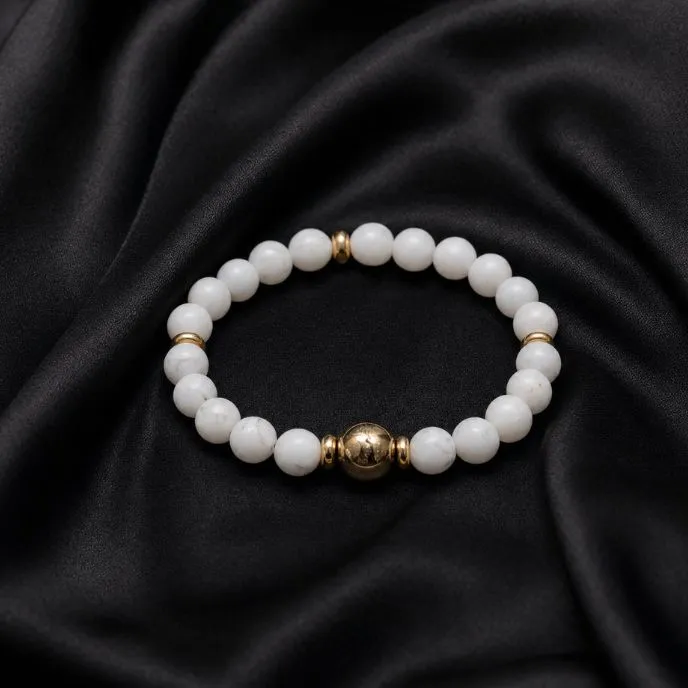
Tiger's Eye, known for its golden-brown bands, is traditionally associated with courage, confidence, and grounding. It's a popular stone for anyone wanting a symbolic reminder of inner strength, particularly during moments that call for decisiveness or resilience.
Tiger's Eye Meaning
Tiger's Eye, known for its golden-brown bands, is traditionally associated with courage, confidence, and grounding. It's a popular stone for anyone wanting a symbolic reminder of inner strength, particularly during moments that call for decisiveness or resilience.
How to Choose a Crystal
With so many meanings of crystals to explore, choosing one can feel overwhelming at first. Here are a few simple ways to narrow it down:
- Personal meaning: Pick a crystal whose traditional meaning resonates most with what you're currently focused on, whether that's calm, confidence, or clarity.
- Color and appearance: Many people are drawn to crystals based on color alone — warm tones for energy, cool tones for calm.
- Intended mindfulness practice: Consider whether you want the crystal for meditation, daily wear, or as a home accent.
- Traditional symbolism: Look into a crystal's cultural or historical associations if that background matters to you.
- Personal preference: Ultimately, the "right" crystal is the one that feels meaningful to you — there's no wrong choice.
Crystal Meanings by Intention
If you're shopping with a specific intention in mind, here's a simple breakdown of popular crystals and their meanings grouped by common goals. As with the rest of this guide, these are traditional associations rather than proven medical effects.
For Calm & Relaxation: Amethyst, Lepidolite
For Love & Self-Care: Rose Quartz
For Grounding: Black Tourmaline, Tiger's Eye
For Clarity & Focus: Clear Quartz, Lapis Lazuli
For Confidence & Motivation: Carnelian, Citrine
For Growth & Positivity: Green Aventurine, Citrine
How to Use Crystals
Once you've chosen a crystal, there are several traditional ways people incorporate it into daily life:
- Wearing crystal bracelets: A simple, everyday way to keep a crystal's meaning close.
- Meditation: Holding or placing a crystal nearby during meditation is a common practice.
- Keeping crystals in a personal space: Many people place crystals on a desk, nightstand, or shelf as a visual reminder.
- Mindfulness: Some use crystals as a tactile anchor during mindfulness exercises.
- Personal rituals: Others incorporate crystals into morning routines, journaling, or intention-setting practices.
FAQs
A crystal meanings chart is a reference guide that lists different crystals alongside their traditional meanings, symbolism, and common uses, making it easier to understand what each stone is believed to represent.
Rose quartz is the crystal most traditionally associated with love, compassion, and self-care.
Amethyst is widely known for its traditional association with calm, clarity, and meditation.
Black tourmaline and Tiger's Eye are both traditionally associated with grounding and stability.
Carnelian and Tiger's Eye are commonly linked to confidence and inner strength.
Citrine is traditionally associated with positivity, prosperity, and abundance.
Consider the traditional meaning that resonates with you, its color, your intended use (like meditation or daily wear), and simply which stone you're drawn to.
No. Crystal meanings come from cultural, spiritual, and wellness traditions rather than scientific research, and should be understood as symbolic or traditional beliefs rather than medically proven effects.
Explore Crystal Bracelets at Auralith
Now that you have a better sense of crystal meanings and which stones might resonate with your intentions, why not bring one home? At Auralith, you'll find a curated collection of crystal bracelets and crystal jewelry inspired by the traditional meanings covered in this guide — from calming amethyst pieces to grounding black tourmaline designs. Explore our crystal bracelet collection and find a piece that fits the intention you're looking to carry with you each day.