Difference Between Natural and Dyed Crystals: A Complete Guide
Crystals and gemstones come in a huge range of colors, and not all of that color is created the same way. Some stones display their color naturally, straight from the earth, while others are treated with dyes to enhance, deepen, or completely change their appearance. Understanding the difference between natural and dyed crystals matters if you want to know exactly what you're buying, how to care for it, and whether the price reflects a natural stone or a treated one. This guide breaks down what natural and dyed crystals actually are, how to spot the difference, and what questions to ask before you buy.
What Are Natural Crystals?
A natural crystal is a stone that has formed underground over long periods of time and displays its own characteristic color without any artificial dyeing. The color you see comes from the stone's mineral composition, the trace elements present during its formation, or its internal crystal structure.
Because natural stones form under real geological conditions, they often show variation rather than perfectly uniform color. Natural crystal color can include banding, zoning, cloudiness, inclusions, or slight shifts in tone from one part of the stone to another. These are not flaws to be corrected; they're simply part of what makes a natural stone unique, and two natural pieces of the same material will rarely look identical.
What Are Dyed Crystals?
Dyed crystals are stones that have been treated with color to alter or enhance their natural appearance. This is typically done with porous or naturally light-colored stones, since dye penetrates more easily into materials with tiny pores, cracks, or absorbent surfaces.
It's worth being clear about one thing: dyeing is a treatment, not a sign that a stone is fake. A dyed crystal can still be a genuine, naturally formed mineral — it has simply had its color adjusted through a dye treatment. The stone itself isn't synthetic; only its surface color has been modified.
Difference Between Natural and Dyed Crystals
Here's a quick side-by-side comparison of natural vs dyed crystals:
| Feature | Natural Crystals | Dyed Crystals |
| Color | Naturally occurring | Artificially enhanced or changed |
| Appearance | May show natural variations | Often shows stronger or more uniform color |
| Treatment | No dye treatment | Dye treatment has been applied |
| Color Distribution | May include zoning or inclusions | Dye may concentrate in cracks, pores or surface areas |
| Disclosure | Should be described accurately | Treatment should be disclosed by reputable sellers |
| Care | Depends on the specific stone | May require additional care depending on dye and treatment |
How to Tell if a Crystal Is Dyed
If you're trying to figure out whether a stone in front of you is natural or treated crystal, there are a few things worth checking. None of these signs are definitive on their own, but together they can give you a good idea.
Check the Color
An unusually intense, saturated, or perfectly uniform color across the entire stone can be a signal of dye treatment. Natural crystal color tends to have some variation, so a shade that looks almost too vivid or too consistent is worth a closer look. That said, appearance alone can't confirm dyeing — some natural stones really are vividly colored.
Look at Cracks and Crevices
Dye often collects in places that are harder to reach evenly, such as fractures, pores, tiny holes, or other surface imperfections. If you notice color pooling in these spots rather than spreading evenly through the stone, it may point to a dye treatment.
Look at Cracks and Crevices
Dye often collects in places that are harder to reach evenly, such as fractures, pores, tiny holes, or other surface imperfections. If you notice color pooling in these spots rather than spreading evenly through the stone, it may point to a dye treatment.
Check for Color Concentration
Similarly, look at drilled holes (common in beads) and the edges of cracks. Stronger, darker color concentrated right at these points — compared to lighter color elsewhere on the same piece — can indicate that dye has settled there rather than the color being part of the stone's natural composition.
Ask the Seller
The most reliable way to know for certain is simply to ask. Check the product description for any mention of treatment, and don't hesitate to contact the seller directly if it isn't specified. A transparent seller should be able to tell you clearly whether a stone has been dyed or otherwise treated.
Common Crystals That May Be Dyed
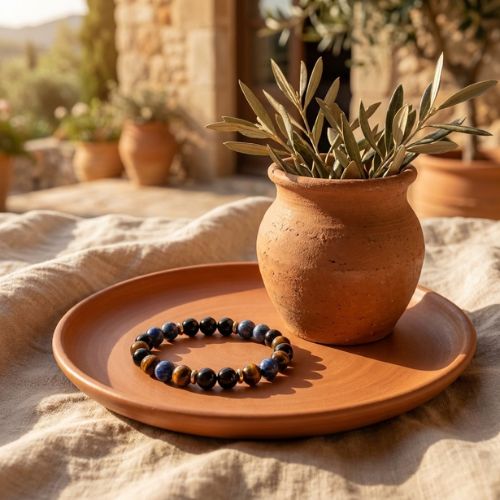
Certain materials are more commonly available in dyed forms because their natural porosity or light base color makes them easy to treat. These include:
- Quartz
- Agate
- Howlite
- Magnesite
- Crackle quartz
It's important to note that not every specimen of these materials is dyed. Treatment varies from product to product and seller to seller, so the presence of these stones in a piece doesn't automatically mean it has been treated.
Are Dyed Crystals Fake?
No — a dyed crystal is not necessarily fake. The underlying stone can be entirely genuine and naturally formed; it's the color that has been artificially modified, not the mineral itself. The distinction that actually matters is disclosure: a reputable seller should clearly state when a stone has been treated, so buyers know exactly what they're purchasing and can make an informed decision.
Natural vs Dyed Crystals: Which Should You Choose?
There isn't a universal right answer here — it really depends on what you're looking for. A few things worth considering:
- Personal preference — some people simply prefer the look of a particular color, whether natural or enhanced.
- Desired appearance — dyed stones can offer more vivid or uniform color if that's the aesthetic you want.
- Budget — treated stones are sometimes more affordable than rarer naturally colored varieties.
- Collecting goals — if you're building a collection focused on natural mineral specimens, untreated stones may matter more to you.
- Preference for untreated stones — some buyers simply prefer knowing a stone hasn't been altered in any way.
- Intended use — whether the piece is for everyday wear, display, or gifting can influence what matters most.
Neither option is inherently better than the other; it comes down to what fits your priorities.
How to Care for Dyed Crystals
If you own or are considering a dyed crystal piece, a little extra care can help preserve the color over time:
- Avoid harsh chemicals, including cleaning products and strong perfumes, which can affect dye.
- Avoid prolonged exposure to direct sunlight when appropriate, as UV exposure can sometimes cause fading.
- Avoid soaking the piece in water unless you know the specific material is water-safe.
- Store dyed pieces separately from other jewelry to prevent scratches or color transfer.
- Always follow any product-specific care instructions provided by the seller.
Why Crystal Treatment Disclosure Matters
Whether a stone has been dyed, heat-treated, coated, or otherwise enhanced, clear disclosure helps buyers understand exactly what they're getting. Treatment isn't a negative in itself — many treated stones are beautiful, durable, and perfectly good purchases — but transparency lets you weigh the options, set the right expectations for care, and pay a fair price for what you're actually buying.
Natural and Dyed Crystal Buying Guide
Before purchasing a crystal, it helps to run through a short checklist:
- Read the product description carefully.
- Check whether any treatment is disclosed.
- Look closely at color distribution across the stone.
- Ask questions before purchasing if anything is unclear.
- Check the seller's return or product policy.
- Choose a seller that provides transparent, accurate product information.
FAQs
Natural crystals display color that occurs from their own mineral composition and formation process, while dyed crystals have had their color artificially enhanced or changed through a dye treatment.
Look for unusually intense or uniform color, dye concentrated in cracks or pores, and stronger color around drilled holes or edges. When in doubt, ask the seller directly.
Yes, in most cases the underlying stone is a genuine, naturally formed mineral. Dyeing changes the color, not the authenticity of the stone itself.
It can, depending on the dye used and how the piece is cared for. Avoiding harsh chemicals and prolonged direct sunlight can help preserve the color longer.
Quartz, agate, howlite, magnesite, and crackle quartz are among the materials more commonly available in dyed forms, though not every specimen is treated.
Not necessarily. It depends on personal preference, budget, and what you're looking for. Both natural and dyed crystals can be good choices depending on your priorities.
Avoid harsh chemicals, limit prolonged sun exposure, avoid soaking unless the material is known to be water-safe, and store pieces separately to prevent scratching.
Yes. Reputable sellers should clearly disclose any treatment, including dyeing, so buyers can make informed purchasing decisions.
Explore Crystal Products at Auralith
Whether you're drawn to the natural variation of untreated stones or the vivid color of a treated piece, Auralith is here to help you choose with confidence. Browse our crystal bracelets and other crystal products, where we aim to provide clear, transparent product information so you always know exactly what you're bringing home.